
Kundli Kaka

Chapter 8 of 18 · 28 verses

The Imperishable अक्षरब्रह्मयोग

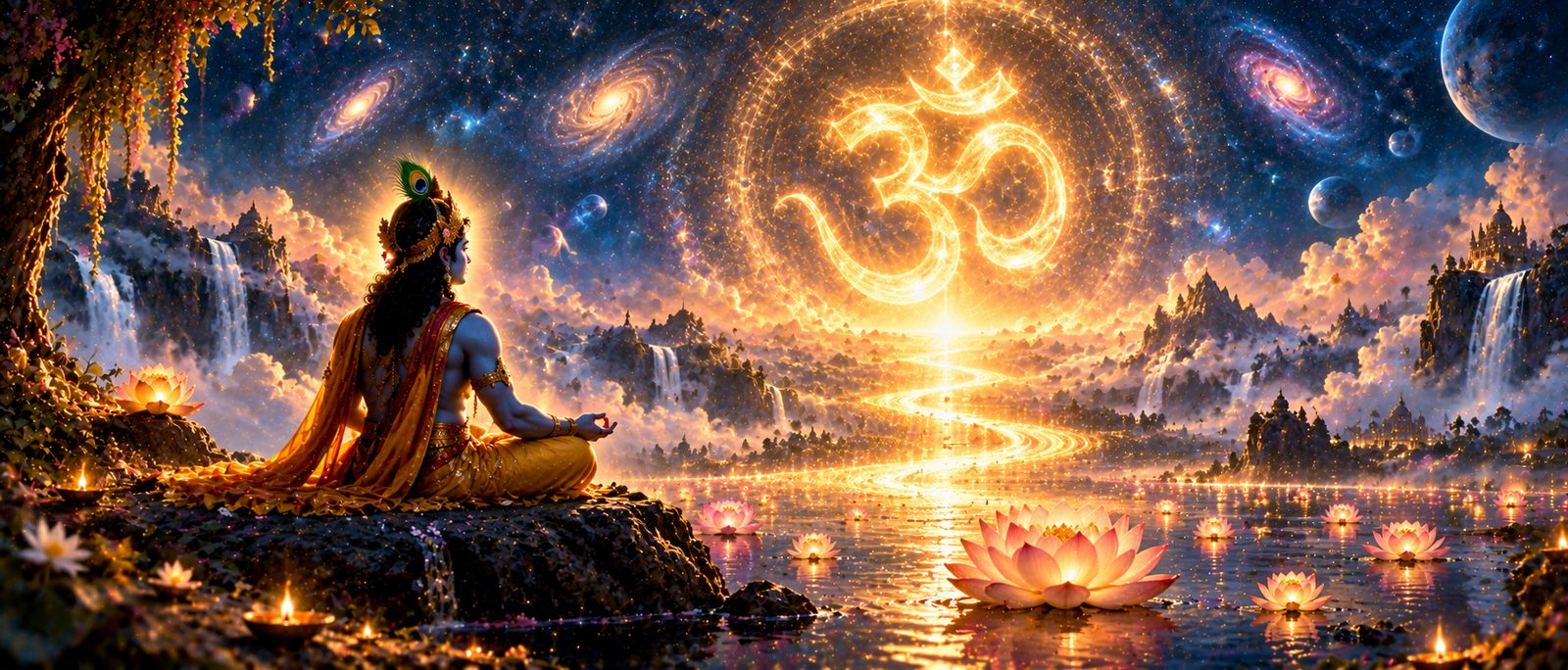
Arjuna asks what happens at the end of life. Krishna says that what we hold in our mind throughout life shapes our last thoughts. So remember the divine at all times, while doing your work. He also speaks about the vast cycles of the universe and the place beyond them that does not end.

अर्जुन पूछते हैं कि जीवन के अन्त में क्या होता है। कृष्ण कहते हैं कि जीवन भर हम जिसे मन में रखते हैं, वही अन्त के विचारों को बनाता है। इसलिए काम करते हुए भी हर समय ईश्वर को याद रखो। वे ब्रह्माण्ड के विशाल चक्रों और उनसे परे उस स्थान की भी बात करते हैं जो कभी समाप्त नहीं होता।

Show meaning in
8.1

किं तद्ब्रह्म किमध्यात्मं किं कर्म पुरुषोत्तम। अधिभूतं च किं प्रोक्तमधिदैवं किमुच्यते

arjuna uvācha
kiṁ tad brahma kim adhyātmaṁ kiṁ karma puruṣhottama
adhibhūtaṁ cha kiṁ proktam adhidaivaṁ kim uchyate

Arjuna asks: Supreme Person, what is Brahman, what is the self, what is action? What is called the realm of beings and what is the realm of the gods?

अर्जुन पूछते हैं: हे पुरुषोत्तम, वह ब्रह्म क्या है, अध्यात्म क्या है, कर्म क्या है? अधिभूत किसे कहते हैं और अधिदैव किसे कहते हैं?

What Krishna meant

Arjuna asks Krishna several questions: what is Brahman, what is the Self, what is action, and what do the other terms mean? For example, when we hear big words we do not understand, asking a trusted teacher to explain them simply is always a good idea.

अर्जुन कृष्ण से कई सवाल पूछते हैं: ब्रह्म क्या है, आत्मा क्या है, कर्म क्या है, और दूसरे शब्दों का क्या अर्थ है? जब हमें कोई बड़ा शब्द समझ न आए, तो किसी भरोसेमंद गुरु से सरल भाषा में पूछ लेना हमेशा अच्छा होता है।
8.2

अधियज्ञः कथं कोऽत्र देहेऽस्मिन्मधुसूदन। प्रयाणकाले च कथं ज्ञेयोऽसि नियतात्मभिः

adhiyajñaḥ kathaṁ ko ’tra dehe ’smin madhusūdana
prayāṇa-kāle cha kathaṁ jñeyo ’si niyatātmabhiḥ

Who is the lord of sacrifice here in this body, Madhusudana, and how? And how are you known at the time of death by those who are self-controlled?

हे मधुसूदन, इस शरीर में अधियज्ञ कौन है और कैसे? और संयमी लोग अन्त समय में आपको कैसे जानते हैं?

What Krishna meant

Arjuna asks two more questions: who is the lord of sacrifice within the body, and how can self-controlled people remember Krishna at the time of death? For example, Arjuna wants practical answers, just as we want to know how to use an idea in real life.

अर्जुन दो सवाल और पूछते हैं: शरीर के भीतर यज्ञ का स्वामी कौन है, और संयमी लोग मृत्यु के समय कृष्ण को कैसे याद रखते हैं? अर्जुन व्यावहारिक जवाब चाहते हैं, जैसे हम जानना चाहते हैं कि कोई विचार असल ज़िंदगी में कैसे काम आए।

8.3

अक्षरं ब्रह्म परमं स्वभावोऽध्यात्ममुच्यते। भूतभावोद्भवकरो विसर्गः कर्मसंज्ञितः

śhrī bhagavān uvācha
akṣharaṁ brahma paramaṁ svabhāvo ’dhyātmam uchyate
bhūta-bhāvodbhava-karo visargaḥ karma-sanjñitaḥ

The Blessed Lord says: The imperishable is the Supreme Brahman. One's own nature is called the self. The creative force that brings beings into being is called action.

भगवान कहते हैं: परम अक्षर ब्रह्म है। जीव का अपना स्वभाव अध्यात्म कहलाता है। प्राणियों के भावों को उत्पन्न करने वाला त्याग रूप विसर्ग कर्म कहलाता है।

What Krishna meant

Krishna begins answering Arjuna's questions. He says that Brahman is the lasting reality that never perishes, one's own nature is the Self, and the creative force that brings beings into life is called action. For example, a river keeps flowing and giving life, and is a good picture of this.

कृष्ण अर्जुन के सवालों के जवाब देना शुरू करते हैं। वे कहते हैं कि ब्रह्म वह अविनाशी सत्य है जो कभी नष्ट नहीं होता, अपना स्वभाव ही आत्मा कहलाता है, और जो रचनात्मक शक्ति प्राणियों को जन्म देती है वह कर्म कहलाती है। बहती नदी, जो जीवन देती रहती है, इसकी अच्छी तस्वीर है।

8.4

अधिभूतं क्षरो भावः पुरुषश्चाधिदैवतम्। अधियज्ञोऽहमेवात्र देहे देहभृतां वर

adhibhūtaṁ kṣharo bhāvaḥ puruṣhaśh chādhidaivatam
adhiyajño ’ham evātra dehe deha-bhṛitāṁ vara

The perishable nature is the realm of beings, the cosmic person is the realm of the gods, and I myself, in this body, am the lord of sacrifice, best of embodied beings.

नाशवान पदार्थ अधिभूत है, पुरुष अधिदैव है और हे देहधारियों में श्रेष्ठ, इस शरीर में मैं ही अधियज्ञ हूँ।

What Krishna meant

Krishna continues his answers. The ever-changing world is the realm of beings, the cosmic person is the realm of the gods, and he himself, living in the body, is the lord of sacrifice. For example, everything around us keeps changing, yet something steady within us watches it all.

कृष्ण अपने जवाब आगे बढ़ाते हैं। हमेशा बदलने वाला संसार प्राणियों का क्षेत्र है, विराट पुरुष देवताओं का क्षेत्र है, और वे स्वयं, शरीर में रहते हुए, यज्ञ के स्वामी हैं। हमारे आसपास सब कुछ बदलता रहता है, फिर भी हमारे भीतर कुछ स्थिर है जो सब देखता है।

8.5

अन्तकाले च मामेव स्मरन्मुक्त्वा कलेवरम्। यः प्रयाति स मद्भावं याति नास्त्यत्र संशयः

anta-kāle cha mām eva smaran muktvā kalevaram
yaḥ prayāti sa mad-bhāvaṁ yāti nāstyatra sanśhayaḥ

One who, at the time of death, leaves the body thinking of me alone comes to my state. There is no doubt about this.

जो अन्त समय में मुझे ही याद करते हुए शरीर छोड़ता है, वह मेरे स्वरूप को प्राप्त होता है। इसमें कोई सन्देह नहीं।

What Krishna meant

Krishna answers the question about death. He says that a person who leaves the body thinking only of him comes to him, without doubt. For example, the thoughts we practise every day shape what comes naturally to our mind when we are tired or under stress.

कृष्ण मृत्यु वाले सवाल का जवाब देते हैं। वे कहते हैं कि जो इंसान शरीर छोड़ते समय केवल उन्हीं को याद करता है, वह निश्चित ही उन तक पहुँचता है। जो विचार हम रोज़ दोहराते हैं, वही थकान या तनाव में हमारे मन में स्वाभाविक रूप से आते हैं।

8.6

यं यं वापि स्मरन्भावं त्यजत्यन्ते कलेवरम्। तं तमेवैति कौन्तेय सदा तद्भावभावितः

yaṁ yaṁ vāpi smaran bhāvaṁ tyajatyante kalevaram
taṁ tam evaiti kaunteya sadā tad-bhāva-bhāvitaḥ

Whatever state of mind one remembers when leaving the body at the end, Arjuna, that one reaches, since one is always shaped by that state.

हे कुन्तीपुत्र, अन्त समय में मनुष्य जिस-जिस भाव को याद करते हुए शरीर छोड़ता है, वह उसी को पाता है, क्योंकि वह सदा उसी भाव में रमा रहा।

What Krishna meant

Krishna says that whatever a person keeps in mind at the end of life is what they move towards, because the mind is shaped by what it has always dwelt on. For example, if you fill your day with gratitude, gratitude comes easily in hard times.

कृष्ण कहते हैं कि जीवन के अंत में इंसान जो भाव मन में रखता है, उसी की ओर बढ़ता है, क्योंकि मन उसी में ढलता है जिसमें वह हमेशा रहा हो। अगर आप अपने दिन को कृतज्ञता से भरें, तो कठिन समय में भी कृतज्ञता आसानी से आती है।

8.7

तस्मात्सर्वेषु कालेषु मामनुस्मर युध्य च। मय्यर्पितमनोबुद्धिर्मामेवैष्यस्यसंशयम्

tasmāt sarveṣhu kāleṣhu mām anusmara yudhya cha
mayyarpita-mano-buddhir mām evaiṣhyasyasanśhayam

So at all times remember me and fight. With mind and intellect given to me, you will come to me without doubt.

इसलिए सब समय मेरा स्मरण करो और युद्ध भी करो। मुझमें मन और बुद्धि अर्पित करके तुम निःसन्देह मुझे ही पाओगे।

What Krishna meant

Krishna tells Arjuna to remember him at all times and still do his duty and fight. With heart and mind given to him, Arjuna will reach him. For example, you can think of something good while working, and still give full attention to the task in front of you.

कृष्ण अर्जुन से कहते हैं कि हर समय उन्हें याद रखो और फिर भी अपना कर्तव्य निभाओ, युद्ध करो। मन और बुद्धि उन्हें सौंपकर अर्जुन उन तक पहुँचेगा। आप काम करते हुए भी किसी अच्छी बात का स्मरण रख सकते हैं और सामने के काम पर पूरा ध्यान दे सकते हैं।

8.8

अभ्यासयोगयुक्तेन चेतसा नान्यगामिना। परमं पुरुषं दिव्यं याति पार्थानुचिन्तयन्

abhyāsa-yoga-yuktena chetasā nānya-gāminā
paramaṁ puruṣhaṁ divyaṁ yāti pārthānuchintayan

With a mind trained by constant practice and not wandering elsewhere, one who keeps thinking of the divine Supreme Person reaches him, Arjuna.

अभ्यास रूप योग से युक्त, दूसरी ओर न जाने वाले चित्त से परम दिव्य पुरुष का चिन्तन करता हुआ मनुष्य उसी को प्राप्त होता है।

What Krishna meant

Krishna says that a mind trained through steady practice, which does not wander off, and which keeps thinking of the highest, reaches it. For example, when you practise a musical instrument daily, your fingers find the notes without effort, and the mind learns to settle in the same way.

कृष्ण कहते हैं कि जो मन लगातार अभ्यास से सधा है, इधर-उधर नहीं भटकता और सदा परम का चिंतन करता है, वह उसे पा लेता है। जैसे रोज़ वाद्य बजाने का अभ्यास करने पर उँगलियाँ बिना मेहनत सुर पकड़ लेती हैं, वैसे ही मन भी टिकना सीख जाता है।

8.9

कविं पुराणमनुशासितार मणोरणीयांसमनुस्मरेद्यः। सर्वस्य धातारमचिन्त्यरूप मादित्यवर्णं तमसः परस्तात्

kaviṁ purāṇam anuśhāsitāram
aṇor aṇīyānsam anusmared yaḥ
sarvasya dhātāram achintya-rūpam
āditya-varṇaṁ tamasaḥ parastāt

One should remember the all-knowing, ancient ruler, smaller than the smallest, the supporter of all, of unthinkable form, bright like the sun and beyond darkness.

जो सर्वज्ञ, पुरातन, सबके शासक, सूक्ष्म से भी सूक्ष्म, सबको धारण करने वाले, अचिन्त्य रूप वाले, सूर्य जैसे प्रकाशमान और अज्ञान के अन्धकार से परे परमात्मा का स्मरण करे,

What Krishna meant

Krishna describes what to think about: the all-knowing, ancient ruler, finer than the finest, who supports all, bright like the sun and beyond darkness. For example, when you feel small and worried, remembering something vast and steady can put your troubles in perspective.

कृष्ण बताते हैं कि किसका चिंतन करना है: सर्वज्ञ, पुरातन, सबके स्वामी, सूक्ष्म से भी सूक्ष्म, सबको धारण करने वाले, सूर्य जैसे तेजस्वी और अंधकार से परे। जब आप खुद को छोटा और चिंतित महसूस करें, तो किसी विशाल और स्थिर चीज़ को याद करने से परेशानियाँ अपने सही आकार में दिखती हैं।

8.10

प्रयाणकाले मनसाऽचलेन भक्त्या युक्तो योगबलेन चैव। भ्रुवोर्मध्ये प्राणमावेश्य सम्यक् स तं परं पुरुषमुपैति दिव्यम्

prayāṇa-kāle manasāchalena
bhaktyā yukto yoga-balena chaiva
bhruvor madhye prāṇam āveśhya samyak
sa taṁ paraṁ puruṣham upaiti divyam

At the time of death, with a steady mind, devotion and the power of yoga, fixing the life-breath between the eyebrows, one reaches that divine Supreme Person.

अन्त समय में अचल मन, भक्ति और योग-बल से भौंहों के बीच प्राण को ठीक प्रकार से स्थापित करके वह उस दिव्य परम पुरुष को प्राप्त होता है।

What Krishna meant

Krishna describes how a trained yogi, with steady mind and devotion, turns inward at the final moment and reaches the divine. For example, the focus of such a person is like a student who has practised so well that, even under exam pressure, the answers come calmly.

कृष्ण बताते हैं कि सधा हुआ योगी स्थिर मन और भक्ति से अंतिम क्षण में भीतर की ओर मुड़कर परमात्मा को पाता है। ऐसे व्यक्ति का ध्यान उस विद्यार्थी जैसा है जिसने इतना अच्छा अभ्यास किया है कि परीक्षा के दबाव में भी उत्तर शांति से याद आते हैं।

8.11

यदक्षरं वेदविदो वदन्ति विशन्ति यद्यतयो वीतरागाः। यदिच्छन्तो ब्रह्मचर्यं चरन्ति तत्ते पदं संग्रहेण प्रवक्ष्ये

yad akṣharaṁ veda-vido vadanti
viśhanti yad yatayo vīta-rāgāḥ
yad ichchhanto brahmacharyaṁ charanti
tat te padaṁ saṅgraheṇa pravakṣhye

I will briefly tell you of that goal which the knowers of the Vedas call imperishable, which the free ascetics enter and for which people practise discipline.

जिसे वेद जानने वाले अक्षर कहते हैं, जिसमें आसक्ति रहित यति प्रवेश करते हैं और जिसे चाहते हुए लोग ब्रह्मचर्य का पालन करते हैं, वह पद मैं तुम्हें संक्षेप में कहूँगा।

What Krishna meant

Krishna promises to explain briefly the goal that scholars call imperishable, which free-minded seekers enter, and for which others practise discipline. For example, when we begin a long journey, it helps to first hear a short summary of where we are going.

कृष्ण वचन देते हैं कि वे संक्षेप में उस लक्ष्य को बताएँगे जिसे ज्ञानी अविनाशी कहते हैं, जिसमें मुक्त साधक प्रवेश करते हैं और जिसके लिए लोग संयम का पालन करते हैं। लंबी यात्रा शुरू करने से पहले मंज़िल का छोटा सा परिचय सुन लेना अच्छा रहता है।

8.12

सर्वद्वाराणि संयम्य मनो हृदि निरुध्य च। मूर्ध्न्याधायात्मनः प्राणमास्थितो योगधारणाम्

sarva-dvārāṇi sanyamya mano hṛidi nirudhya cha
mūrdhnyādhāyātmanaḥ prāṇam āsthito yoga-dhāraṇām

Closing all the gates of the body, holding the mind in the heart and fixing the life-breath in the head, established in yogic concentration,

शरीर के सब द्वारों को रोककर, मन को हृदय में स्थिर करके और प्राण को मस्तक में स्थापित करके योग की धारणा में स्थित होकर,

What Krishna meant

Krishna describes a yogic way of turning the senses inward and holding the mind steady at the heart, with concentrated focus. For example, it is like shutting the doors and windows to keep a lamp from flickering, so that attention is held in one place.

कृष्ण योग की एक पद्धति बताते हैं जिसमें इंद्रियों को भीतर की ओर मोड़कर मन को हृदय में स्थिर रखा जाता है और एकाग्र ध्यान किया जाता है। यह दीपक को काँपने से बचाने के लिए खिड़की-दरवाज़े बंद करने जैसा है, ताकि ध्यान एक जगह टिका रहे।

8.13

ओमित्येकाक्षरं ब्रह्म व्याहरन्मामनुस्मरन्। यः प्रयाति त्यजन्देहं स याति परमां गतिम्

oṁ ityekākṣharaṁ brahma vyāharan mām anusmaran
yaḥ prayāti tyajan dehaṁ sa yāti paramāṁ gatim

one who leaves the body while uttering the one-syllable Om, the Supreme, and remembering me, reaches the highest goal.

जो ओम् इस एक अक्षर वाले ब्रह्म का उच्चारण करता हुआ और मेरा स्मरण करता हुआ देह छोड़ता है, वह परम गति को पाता है।

What Krishna meant

Krishna says that a person who, while leaving the body, says the sacred syllable Om and remembers him reaches the highest goal. For example, repeating a calming word or prayer during a stressful day can give your mind something steady to hold.

कृष्ण कहते हैं कि जो इंसान शरीर छोड़ते समय पवित्र अक्षर ओम का उच्चारण करता है और उन्हें याद करता है, वह सर्वोच्च लक्ष्य पाता है। तनाव भरे दिन में किसी शांत शब्द या प्रार्थना को दोहराना आपके मन को पकड़ने के लिए कुछ स्थिर दे सकता है।

8.14

अनन्यचेताः सततं यो मां स्मरति नित्यशः। तस्याहं सुलभः पार्थ नित्ययुक्तस्य योगिनः

ananya-chetāḥ satataṁ yo māṁ smarati nityaśhaḥ
tasyāhaṁ sulabhaḥ pārtha nitya-yuktasya yoginaḥ

I am easily reached, Arjuna, by that steady yogi who thinks of me constantly with a single mind, day after day.

हे पार्थ, जो अनन्य चित्त से सदा मेरा नित्य स्मरण करता है, उस नित्य युक्त योगी के लिए मैं सहज ही प्राप्त हो जाता हूँ।

What Krishna meant

Krishna tells Arjuna that he is easy to reach for the steady person who thinks of him with a single mind every day. For example, a friend you talk to every day feels close, while one you contact rarely feels distant. Regular remembrance builds closeness.

कृष्ण अर्जुन से कहते हैं कि जो स्थिर इंसान रोज़ एकाग्र मन से उन्हें याद करता है, उसके लिए वे आसानी से मिल जाते हैं। जिस दोस्त से रोज़ बात होती है वह पास लगता है, और जिससे कम होती है वह दूर। नियमित स्मरण से निकटता बनती है।

8.15

मामुपेत्य पुनर्जन्म दुःखालयमशाश्वतम्। नाप्नुवन्ति महात्मानः संसिद्धिं परमां गताः

mām upetya punar janma duḥkhālayam aśhāśhvatam
nāpnuvanti mahātmānaḥ sansiddhiṁ paramāṁ gatāḥ

Having come to me, those great souls who have reached perfection do not take birth again, which is a place of sorrow and impermanence.

मुझे पाकर परम सिद्धि को प्राप्त हुए महात्मा दुःख का घर और नाशवान पुनर्जन्म नहीं पाते।

What Krishna meant

Krishna says that great souls who reach him do not have to return to a life of sorrow and change. For example, anyone who has found a place of deep peace within themselves knows how restful it is to no longer chase after everything outside.

कृष्ण कहते हैं कि जो महान आत्माएँ उन तक पहुँच जाती हैं, उन्हें दुख और बदलाव से भरे जीवन में लौटना नहीं पड़ता। जिसने अपने भीतर गहरी शांति की जगह पा ली है, वह जानता है कि बाहर की हर चीज़ के पीछे न भागना कितना सुकून देता है।

8.16

आब्रह्मभुवनाल्लोकाः पुनरावर्तिनोऽर्जुन। मामुपेत्य तु कौन्तेय पुनर्जन्म न विद्यते

ā-brahma-bhuvanāl lokāḥ punar āvartino ’rjuna
mām upetya tu kaunteya punar janma na vidyate

All worlds up to the world of Brahma are subject to return, Arjuna. But having reached me, there is no rebirth.

हे अर्जुन, ब्रह्मलोक तक के सब लोक पुनः लौटने वाले हैं। लेकिन हे कुन्तीपुत्र, मुझे पाकर पुनर्जन्म नहीं होता।

What Krishna meant

Krishna says that every world, even the highest, is a place one comes back from, but once a person reaches him there is no return. For example, a holiday ends and you must go home, but a home of inner peace is one you can always carry with you.

कृष्ण कहते हैं कि हर लोक, ऊँचे से ऊँचा भी, ऐसी जगह है जहाँ से लौटना पड़ता है, पर जो उन्हें पा लेता है वह नहीं लौटता। छुट्टियाँ खत्म होती हैं और घर लौटना पड़ता है, पर भीतर की शांति वाला घर आप हमेशा साथ ले जा सकते हैं।

8.17

सहस्रयुगपर्यन्तमहर्यद्ब्रह्मणो विदुः। रात्रिं युगसहस्रान्तां तेऽहोरात्रविदो जनाः

sahasra-yuga-paryantam ahar yad brahmaṇo viduḥ
rātriṁ yuga-sahasrāntāṁ te ’ho-rātra-vido janāḥ

Those who know that Brahma's day lasts a thousand ages and his night a thousand ages know day and night.

जो लोग जानते हैं कि ब्रह्मा का एक दिन हज़ार युगों का और उसकी रात भी हज़ार युगों की है, वे दिन-रात को जानने वाले हैं।

What Krishna meant

Krishna explains that Brahma, the creator, has a very long day and a very long night, each lasting a thousand ages. This verse shows how vast time is. For example, remembering how huge time is can make our small daily worries feel lighter.

कृष्ण समझाते हैं कि सृष्टिकर्ता ब्रह्मा का दिन और रात बहुत लंबे होते हैं, हर एक हज़ार युगों का। यह श्लोक दिखाता है कि समय कितना विशाल है। समय की विशालता याद रखने से हमारी रोज़ की छोटी चिंताएँ हल्की लगने लगती हैं।

8.18

अव्यक्ताद्व्यक्तयः सर्वाः प्रभवन्त्यहरागमे। रात्र्यागमे प्रलीयन्ते तत्रैवाव्यक्तसंज्ञके

avyaktād vyaktayaḥ sarvāḥ prabhavantyahar-āgame
rātryāgame pralīyante tatraivāvyakta-sanjñake

At the coming of day, all visible things come forth from the unseen. At the coming of night, they dissolve into that same unseen.

दिन के आने पर सब दृश्य जगत अव्यक्त से प्रकट होता है, और रात के आने पर उसी अव्यक्त में लीन हो जाता है।

What Krishna meant

Krishna says that when Brahma's day begins, everything visible comes out of the unseen, and when his night begins, everything goes back into that unseen. For example, seeds are hidden in the soil and appear as plants, and then go back into the soil.

कृष्ण कहते हैं कि जब ब्रह्मा का दिन शुरू होता है तो सब दृश्य चीज़ें अदृश्य से प्रकट होती हैं, और जब रात होती है तो उसी अदृश्य में लौट जाती हैं। जैसे बीज मिट्टी में छिपे होते हैं, पौधे बनकर उगते हैं और फिर मिट्टी में लौट जाते हैं।

8.19

भूतग्रामः स एवायं भूत्वा भूत्वा प्रलीयते। रात्र्यागमेऽवशः पार्थ प्रभवत्यहरागमे

bhūta-grāmaḥ sa evāyaṁ bhūtvā bhūtvā pralīyate
rātryāgame ’vaśhaḥ pārtha prabhavatyahar-āgame

This same multitude of beings is born again and again, and is helplessly dissolved at the coming of night, and comes forth again at the coming of day, Arjuna.

हे पार्थ, वही प्राणियों का समूह बार-बार उत्पन्न होकर रात के आने पर विवश होकर लीन होता है और दिन के आने पर फिर प्रकट होता है।

What Krishna meant

Krishna says that the same crowd of beings is born again and again, and dissolves when night comes, helpless, only to appear again with the day. For example, seasons return in turns. Seeing life as a cycle can make change easier to accept.

कृष्ण कहते हैं कि प्राणियों का वही समूह बार-बार जन्म लेता है, रात आने पर विवश होकर लीन हो जाता है और दिन होते ही फिर प्रकट होता है। ऋतुएँ बारी-बारी से लौटती हैं। जीवन को चक्र की तरह देखने से बदलाव को स्वीकार करना आसान होता है।

8.20

परस्तस्मात्तु भावोऽन्योऽव्यक्तोऽव्यक्तात्सनातनः। यः स सर्वेषु भूतेषु नश्यत्सु न विनश्यति

paras tasmāt tu bhāvo ’nyo ’vyakto ’vyaktāt sanātanaḥ
yaḥ sa sarveṣhu bhūteṣhu naśhyatsu na vinaśhyati

But beyond this unseen there is another, eternal unseen reality, which is not destroyed when all beings are destroyed.

लेकिन उस अव्यक्त से भी परे एक और सनातन अव्यक्त भाव है, जो सब प्राणियों के नष्ट होने पर भी नष्ट नहीं होता।

What Krishna meant

Krishna says that beyond this changing, unseen creation there is another, eternal reality that is not destroyed even when everything else ends. For example, when your life is going through big changes, it helps to know that something deep within you stays the same.

कृष्ण कहते हैं कि इस बदलने वाली अदृश्य सृष्टि से परे एक और शाश्वत सत्य है जो तब भी नष्ट नहीं होता जब बाकी सब समाप्त हो जाए। जब जीवन में बड़े बदलाव आएँ, तो यह जानना सहारा देता है कि आपके भीतर कुछ गहरा है जो वैसा ही रहता है।

8.21

अव्यक्तोऽक्षर इत्युक्तस्तमाहुः परमां गतिम्। यं प्राप्य न निवर्तन्ते तद्धाम परमं मम

avyakto ’kṣhara ityuktas tam āhuḥ paramāṁ gatim
yaṁ prāpya na nivartante tad dhāma paramaṁ mama

This unseen and imperishable is called the highest goal. Those who reach it do not return. That is my supreme abode.

वह अव्यक्त और अक्षर कहा गया है, उसे परम गति कहते हैं। जिसे पाकर लोग नहीं लौटते, वही मेरा परम धाम है।

What Krishna meant

Krishna says that this unseen and lasting reality is the highest goal, and those who reach it do not return. He calls it his supreme home. For example, finding a place of rest after a long and tiring day is a small taste of what such a home means.

कृष्ण कहते हैं कि यह अदृश्य और अविनाशी सत्य सबसे ऊँचा लक्ष्य है, और जो इसे पाते हैं वे नहीं लौटते। वे इसे अपना परम धाम कहते हैं। लंबे थका देने वाले दिन के बाद आराम की जगह पाना इस धाम के अर्थ का एक छोटा सा स्वाद है।

8.22

पुरुषः स परः पार्थ भक्त्या लभ्यस्त्वनन्यया। यस्यान्तःस्थानि भूतानि येन सर्वमिदं ततम्

puruṣhaḥ sa paraḥ pārtha bhaktyā labhyas tvananyayā
yasyāntaḥ-sthāni bhūtāni yena sarvam idaṁ tatam

That Supreme Person, Arjuna, in whom all beings dwell and by whom all this is pervaded, is reached by undivided devotion.

हे पार्थ, जिसके भीतर सब प्राणी स्थित हैं और जिससे यह सब व्याप्त है, वह परम पुरुष अनन्य भक्ति से ही मिलता है।

What Krishna meant

Krishna tells Arjuna that this Supreme Person, in whom all beings live and who fills everything, is reached by love that is undivided. For example, when you love someone with your whole heart, without holding back or pretending, the bond becomes deep and true.

कृष्ण अर्जुन से कहते हैं कि जिस परम पुरुष में सब प्राणी रहते हैं और जो सबमें व्याप्त है, वह अविभाजित भक्ति से मिलता है। जब आप किसी को पूरे दिल से प्रेम करते हैं, बिना पीछे हटे या दिखावा किए, तो रिश्ता गहरा और सच्चा बन जाता है।

8.23

यत्र काले त्वनावृत्तिमावृत्तिं चैव योगिनः। प्रयाता यान्ति तं कालं वक्ष्यामि भरतर्षभ

yatra kāle tvanāvṛittim āvṛittiṁ chaiva yoginaḥ
prayātā yānti taṁ kālaṁ vakṣhyāmi bharatarṣhabha

Now I will tell you, Arjuna, the times at which yogis who depart do not return, and the times at which they do.

हे भरतश्रेष्ठ, अब मैं वह समय बताऊँगा जिसमें शरीर छोड़ने वाले योगी लौटकर नहीं आते और जिसमें लौट आते हैं।

What Krishna meant

Krishna now says he will explain the times when yogis who pass away do not come back, and the times when they do. This verse introduces the next few verses. For example, a teacher sometimes says a heading first so listeners know what is coming.

अब कृष्ण कहते हैं कि वे वह समय बताएँगे जब देह छोड़ने वाले योगी लौटकर नहीं आते, और वह समय भी जब वे लौटते हैं। यह श्लोक अगले श्लोकों की भूमिका है। जैसे शिक्षक पहले शीर्षक बताते हैं ताकि सुनने वाले जान लें कि आगे क्या आने वाला है।

8.24

अग्निर्ज्योतिरहः शुक्लः षण्मासा उत्तरायणम्। तत्र प्रयाता गच्छन्ति ब्रह्म ब्रह्मविदो जनाः

agnir jyotir ahaḥ śhuklaḥ ṣhaṇ-māsā uttarāyaṇam
tatra prayātā gachchhanti brahma brahma-vido janāḥ

Fire, light, day, the bright fortnight and the six months of the sun's northern path: those who know Brahman and depart then go to Brahman.

अग्नि, ज्योति, दिन, शुक्ल पक्ष और उत्तरायण के छह महीने, उसमें शरीर छोड़ने वाले ब्रह्म को जानने वाले लोग ब्रह्म को प्राप्त होते हैं।

What Krishna meant

Krishna describes the bright path: fire, light, daytime, the bright half of the month and the sun's northward half-year. He says knowers of Brahman who leave at such times reach Brahman. For example, light is often a symbol of knowledge and hope.

कृष्ण उजले मार्ग का वर्णन करते हैं: अग्नि, प्रकाश, दिन, शुक्ल पक्ष और सूर्य का उत्तरायण। वे कहते हैं कि ब्रह्म को जानने वाले जो ऐसे समय देह छोड़ते हैं, वे ब्रह्म को पाते हैं। प्रकाश अक्सर ज्ञान और आशा का प्रतीक माना जाता है।

8.25

धूमो रात्रिस्तथा कृष्णः षण्मासा दक्षिणायनम्। तत्र चान्द्रमसं ज्योतिर्योगी प्राप्य निवर्तते

dhūmo rātris tathā kṛiṣhṇaḥ ṣhaṇ-māsā dakṣhiṇāyanam
tatra chāndramasaṁ jyotir yogī prāpya nivartate

Smoke, night, the dark fortnight and the six months of the sun's southern path: the yogi who departs then reaches the moon's light and returns.

धुआँ, रात, कृष्ण पक्ष और दक्षिणायन के छह महीने, उसमें शरीर छोड़ने वाला योगी चन्द्रमा की ज्योति को पाकर लौट आता है।

What Krishna meant

Krishna describes the dark path: smoke, night, the dark half of the month and the sun's southward half-year. He says a yogi leaving at such times reaches the moon's light and returns. This is a symbol of clouded understanding, like fog on a road.

कृष्ण अँधेरे मार्ग का वर्णन करते हैं: धुआँ, रात, कृष्ण पक्ष और सूर्य का दक्षिणायन। वे कहते हैं कि ऐसे समय देह छोड़ने वाला योगी चंद्रमा की ज्योति पाकर लौट आता है। यह धुँधली समझ का प्रतीक है, जैसे सड़क पर छाया कोहरा।

8.26

शुक्लकृष्णे गती ह्येते जगतः शाश्वते मते। एकया यात्यनावृत्तिमन्ययाऽऽवर्तते पुनः

śhukla-kṛiṣhṇe gatī hyete jagataḥ śhāśhvate mate
ekayā yātyanāvṛittim anyayāvartate punaḥ

These two paths, bright and dark, are held to be eternal for the world. By one a person goes to no return, by the other one returns.

शुक्ल और कृष्ण, ये दोनों गतियाँ जगत की सनातन मानी गई हैं। एक से जाने वाला नहीं लौटता और दूसरी से जाने वाला फिर लौटता है।

What Krishna meant

Krishna says these two paths, the bright and the dark, are seen as eternal. By one a person does not return, and by the other they do. For example, in life too, we can walk the road of clear understanding or the road of confusion, and the choice shapes our journey.

कृष्ण कहते हैं कि ये दोनों मार्ग, उजला और अँधेरा, सनातन माने जाते हैं। एक से इंसान नहीं लौटता, दूसरे से लौटता है। जीवन में भी हम स्पष्ट समझ का रास्ता चुन सकते हैं या उलझन का, और यह चुनाव हमारी यात्रा तय करता है।

8.27

नैते सृती पार्थ जानन्योगी मुह्यति कश्चन। तस्मात्सर्वेषु कालेषु योगयुक्तो भवार्जुन

naite sṛitī pārtha jānan yogī muhyati kaśhchana
tasmāt sarveṣhu kāleṣhu yoga-yukto bhavārjuna

Knowing these two paths, Arjuna, no yogi is confused. So at all times be steady in yoga.

हे पार्थ, इन दोनों मार्गों को जानने वाला कोई योगी मोहित नहीं होता। इसलिए हे अर्जुन, तुम सब समय योग में स्थित रहो।

What Krishna meant

Krishna tells Arjuna that a yogi who understands these two paths is never confused. So he says, always stay steady in yoga. For example, when you know where each road leads, you can pick the right one calmly instead of panicking at every turn.

कृष्ण अर्जुन से कहते हैं कि जो योगी इन दो मार्गों को समझ लेता है, वह कभी भ्रमित नहीं होता। इसलिए वे कहते हैं कि हर समय योग में स्थिर रहो। जब आप जानते हैं कि हर रास्ता कहाँ जाता है, तो हर मोड़ पर घबराने की जगह शांति से सही रास्ता चुन सकते हैं।

8.28

वेदेषु यज्ञेषु तपःसु चैव दानेषु यत्पुण्यफलं प्रदिष्टम्। अत्येति तत्सर्वमिदं विदित्वा योगी परं स्थानमुपैति चाद्यम्

vedeṣhu yajñeṣhu tapaḥsu chaiva
dāneṣhu yat puṇya-phalaṁ pradiṣhṭam
atyeti tat sarvam idaṁ viditvā
yogī paraṁ sthānam upaiti chādyam

The yogi who knows this goes beyond all the merit promised for the Vedas, sacrifices, austerities and gifts, and reaches the supreme original abode.

इसे जानकर योगी वेदों, यज्ञों, तपों और दानों में बताए गए पुण्य के सब फलों को पार कर जाता है और आदि परम स्थान को प्राप्त होता है।

What Krishna meant

Krishna ends the chapter by saying that the yogi who understands this rises above the good results promised for study, rituals, discipline and giving, and reaches the supreme original home. For example, inner peace is worth more than any prize.

कृष्ण अध्याय का अंत यह कहकर करते हैं कि जो योगी यह समझ लेता है, वह अध्ययन, कर्मकांड, तप और दान से मिलने वाले शुभ फलों से ऊपर उठ जाता है और परम आदि धाम को पाता है। भीतर की शांति किसी भी इनाम से बढ़कर है।